Sob o olhar de Spinario: Obras de Noé Sendas na Coleção de Serralves
29.09.2026 - 08.01.2027
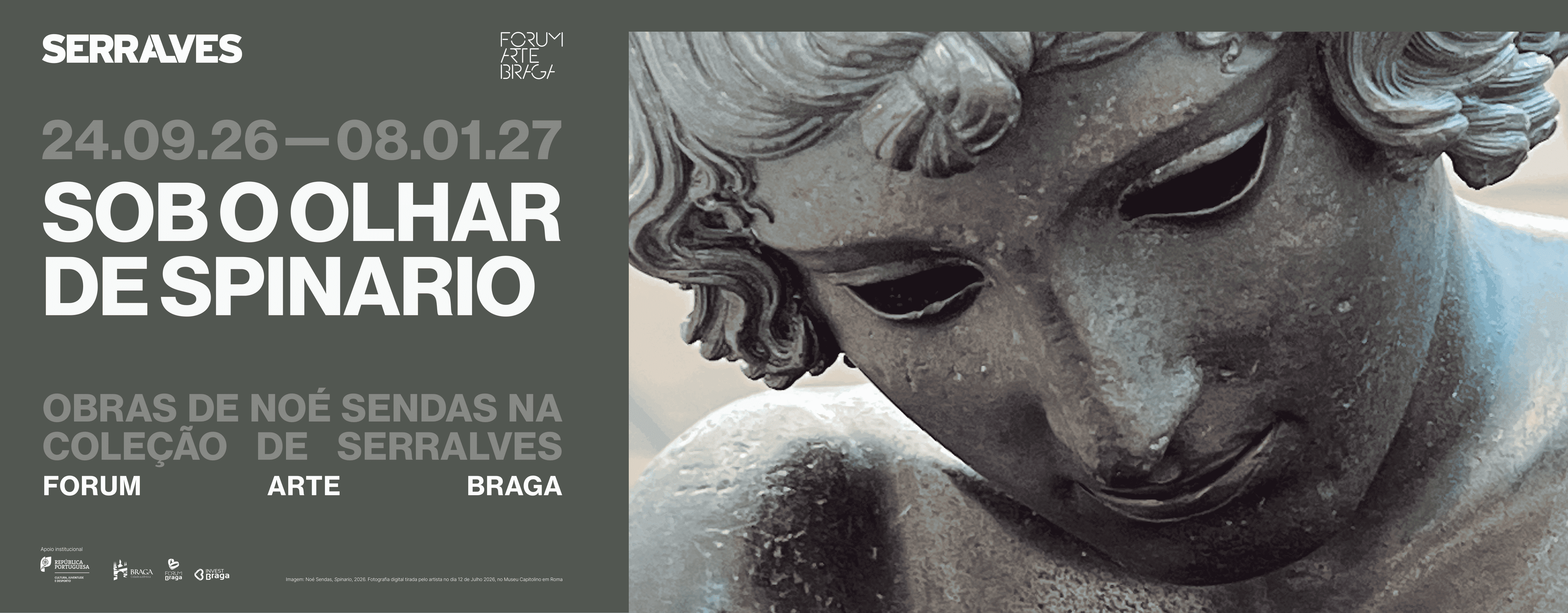

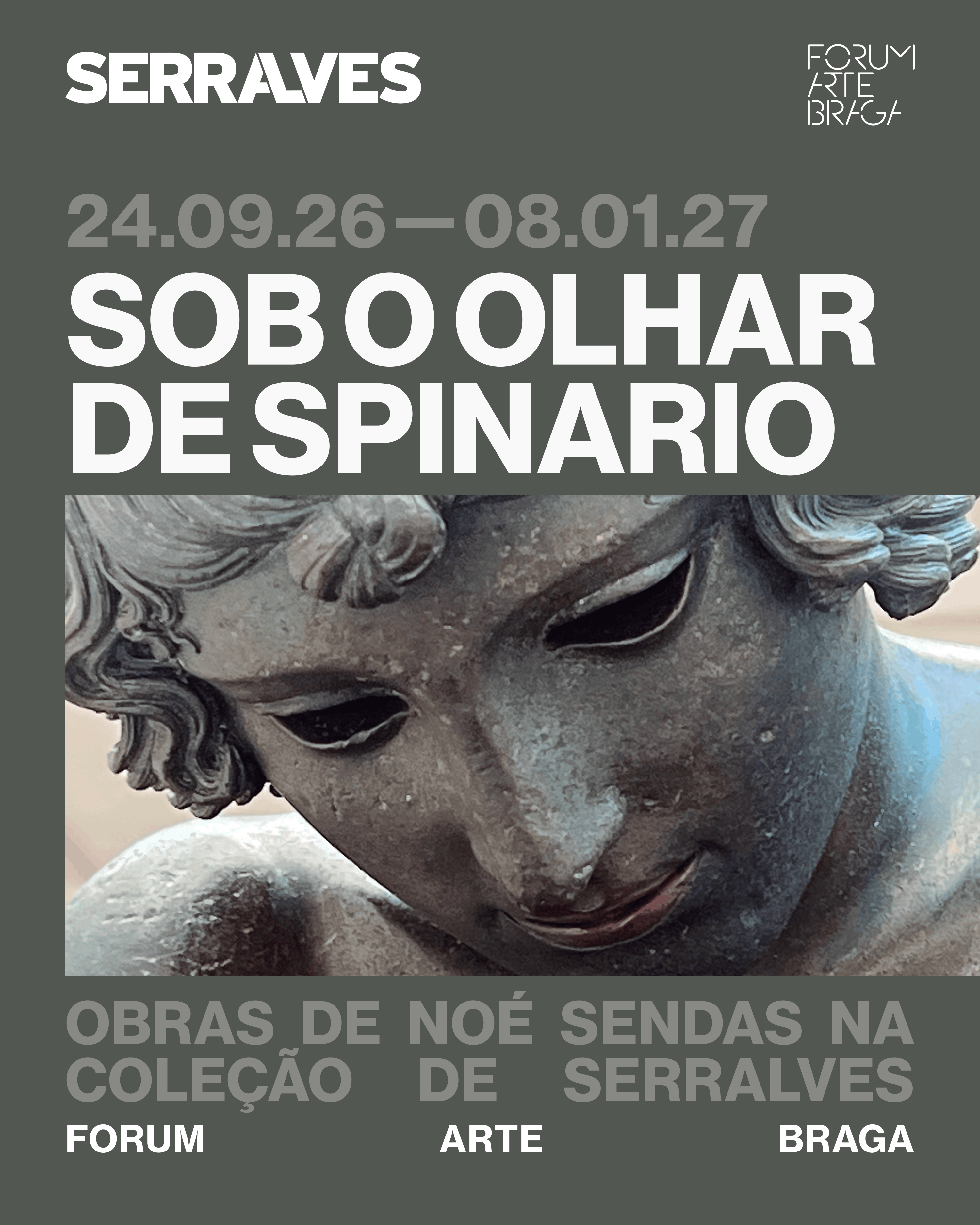
Through the Eyes of Spinario: Works by Noé Sendas in the Serralves Collection: With a multidisciplinary practice that combines photography, video, installation, and sculpture, Noé Sendas (b. 1972, Brussels) has carved out a unique path in the Portuguese art scene of recent decades, characterized by a marked interest in the body and its performative encounter with the spaces we inhabit, employing mechanisms for presenting and representing reality that test the viewer’s capacity for perspective. Drawing on literature, cinema, theater, and music, Noé Sendas’s works create mise-en-scènes that blur the lines between reality and enigma, autobiography and fiction, bringing together situations of normality and marginality in contemporary society. In the context of this exhibition, works are presented from the Serralves Foundation Collection, the Leal Rios Collection (on loan to the Foundation’s Collection), and the artist’s own collection.
Noé Sendas
Biography
(Noé Sendas (born in Brussels in 1972; lives and works in Berlin) began exhibiting his work in the late 1990s. He employs various media: video, sculpture, collage, drawing, and photography. Explicit and implicit references to artists and literary, cinematic, or musical works form part of his raw material. Rooted in cinematic and literary references, his images depict ghostly, unsettling figures whose heads and limbs appear invisible, or who seem to inhabit furniture or walls, blending into them. It is a fascinating body of work that explores themes of abstraction and the partial erasure of the human body through photography—a technique pioneered by the ever-present titans John Baldessari and Guy Bourdin, as well as the lesser-known but equally brilliant American sculptor Robert Gober. Sendas studied at the School of the Art Institute of Chicago, USA; the Royal College of Art, London; and Arco and Atelier Livre, Lisbon. He participated in residencies at: Künstlerhaus Bethanien, Berlin; Casa Velázquez, Madrid; Cité des Arts, Paris; Peggy Guggenheim, Venice; and Atelier Real, Lisbon. He has exhibited works at Yerba Buena for the Arts, USA; Kunsthalle Bonn, Germany; Akademie der Künste, Berlin; Le Plateau, Paris; MEAC, MUSAC, the Botín Foundation, the IC Foundation, and Casa América in Spain; In Portuguese museums and institutions such as: the Calouste Gulbenkian Foundation, the Berardo Museum, the Bordalo Pinheiro Museum, and the City Museum in Lisbon; Culturgest, Porto; CAVE, Coimbra; and the Tavira Museum, Algarve.
Free admission.